
Exercise and High Cholesterol: What the Research Actually Shows
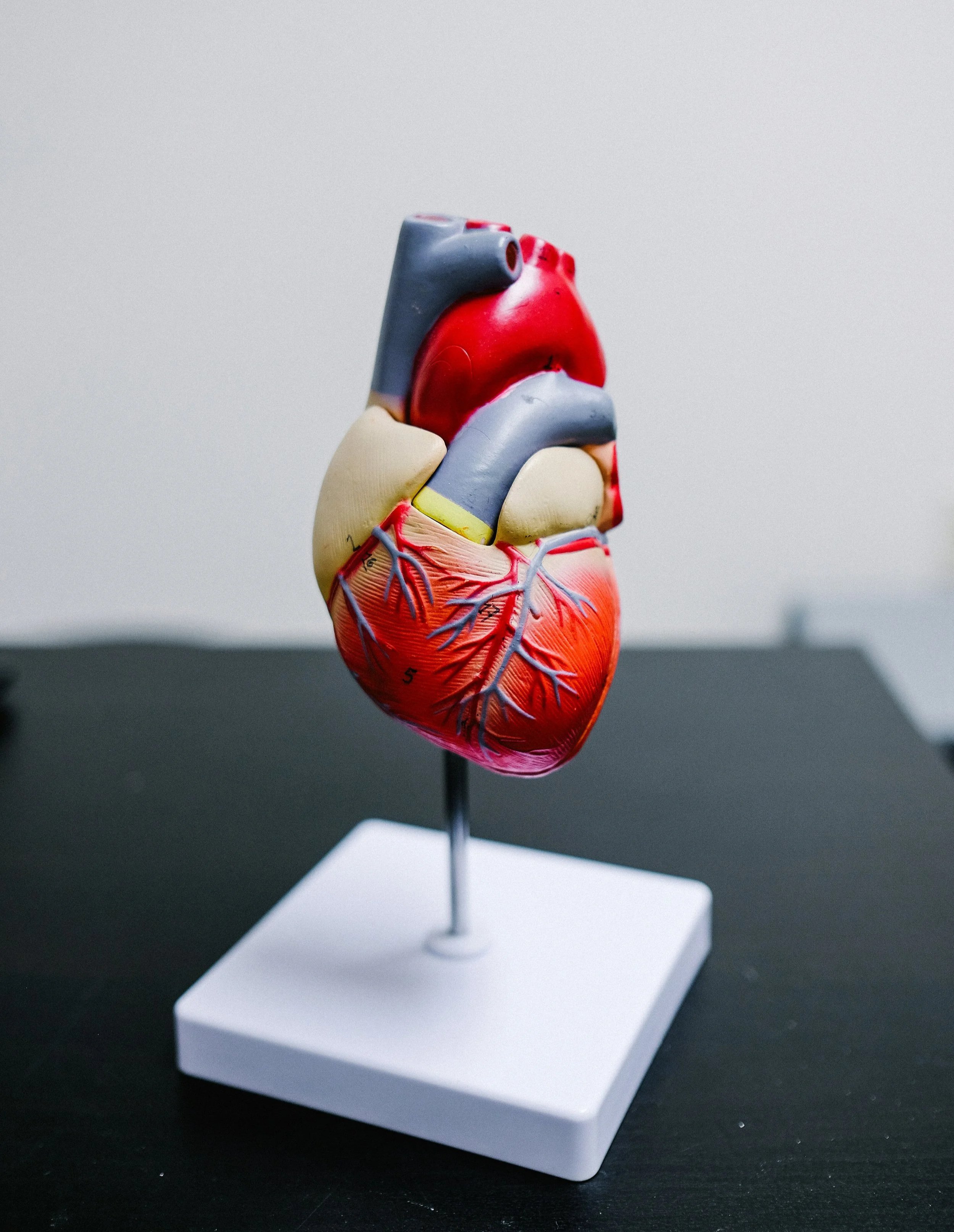
If your doctor has told you that your cholesterol is a little high, you've probably heard "get more exercise" as part of the advice. It's easy to hear that and wonder how much a walk or a gym session could really do about something that sounds so chemical and complicated. As it turns out, the science on this is genuinely strong, and in this post, we'll walk through exactly what exercise does to your cholesterol, in plain language, using the latest research.
First, a Quick Refresher: What Is Cholesterol, Really?
Cholesterol is a waxy, fat-like substance that your body needs to build cells and produce hormones. It travels through your bloodstream packaged inside particles called lipoproteins. You've probably heard of the two main types:
LDL cholesterol (low-density lipoprotein) is often called "bad" cholesterol because when there's too much of it, it can build up in your artery walls and contribute to blockages over time.
HDL cholesterol (high-density lipoprotein) is often called "good" cholesterol because it helps carry excess cholesterol away from your arteries and back to your liver, where it's processed and removed from the body.
There's also a third player worth knowing: triglycerides, a type of fat in your blood that your body uses for energy. High levels are linked to a greater risk of heart disease, especially alongside high LDL or low HDL.
When your levels of LDL or triglycerides are too high, or your HDL is too low, doctors call this dyslipidemia or hyperlipidemia, the medical term for unhealthy blood fat levels. It's one of the biggest drivers of atherosclerosis, the hardening and narrowing of arteries that raises the risk of heart attack and stroke.
The Big Picture: Exercise Is an Officially Recommended First-Line Treatment
A major scientific statement from the American Heart Association makes a striking point: for the large number of adults with mildly to moderately elevated blood pressure or cholesterol, current medical guidelines recommend trying lifestyle changes (with physical activity front and centre) before turning to medication. The statement estimates that roughly 28% to 37% of American adults fall into this category for cholesterol alone, meaning exercise isn't just a nice add-on; for millions of people, it's the recommended first step.
According to this statement, achieving the standard activity guidelines (150 to 300 minutes of moderate-intensity aerobic exercise per week, or 75 to 150 minutes of vigorous activity, plus muscle-strengthening exercise at least twice a week) produces changes in cholesterol that are genuinely meaningful, not dramatic, but comparable in size to other major lifestyle changes like adopting a heart-healthy diet.
What Exercise Actually Does to Your Numbers
The most comprehensive study on this topic to date pooled data from 148 clinical trials and more than 8,600 participants to see exactly how exercise training changes each part of your lipid profile. Here's what it found, on average:
Total cholesterol dropped by a modest but real amount
LDL ("bad") cholesterol decreased
HDL ("good") cholesterol increased
Triglycerides decreased
VLDL cholesterol (a triglyceride-carrying particle related to LDL) decreased
All five changes were statistically significant, meaning they weren't due to chance, though the researchers were careful to describe the improvements as modest, in the range of about 3.5% to 12% depending on the specific marker. Importantly, the same analysis found that combining aerobic exercise with strength training produced the best overall results, outperforming either type of exercise alone for most markers. Interestingly, strength training on its own mainly helped raise HDL cholesterol, while it had little effect on LDL or triglycerides, those responded best to aerobic exercise or a combination of both.
The researchers also found a helpful pattern: each additional weekly exercise session and each additional week of consistent training produced further improvements in total cholesterol, and longer exercise sessions produced greater increases in HDL. In other words, more consistent movement over time tends to help more, this isn't a one-and-done fix, but a cumulative effect that builds with regular practice.
Why Exercise Raises Your "Good" Cholesterol
A detailed review focused specifically on HDL cholesterol sheds light on why aerobic exercise seems particularly good at raising your "good" cholesterol. Exercise increases the activity of an enzyme called lipoprotein lipase, which helps break down fats in your blood and plays a role in forming HDL particles. Beyond simply raising HDL levels, aerobic exercise also appears to improve the quality of HDL particles themselves. It makes them larger, more efficient at clearing cholesterol from your arteries, and better at fighting inflammation and oxidative damage, which are two processes tied to the development of clogged arteries.
This same review found that even a single 30-minute session of exercise appears to be enough to start boosting HDL cholesterol, and that the benefit tends to be dose-dependent. This means that more consistent activity, done at a higher intensity or for longer durations, tends to produce a bigger effect, up to a point.
Direct Evidence: Even Short-Term Exercise Programs Help
A randomised controlled trial that carefully controlled for diet, sleep, and daily routine, removing many of the variables that can muddy results in other studies, looked at the effects of a structured exercise program in healthy young men. It found that both moderate-intensity and high-intensity exercise improved the overall cholesterol profile and improved "cholesterol efflux capacity". Essentially, how effectively HDL particles do their job of removing cholesterol from artery walls and ferrying it back to the liver for disposal. This adds direct evidence that exercise doesn't just move numbers around on a lab report, it improves how your cholesterol system actually functions.
It's Not Just About Weight Loss
One common assumption is that exercise only helps cholesterol indirectly, by helping people lose weight. The research suggests otherwise. A detailed review focused on the biology behind exercise and cholesterol explains that physical activity changes cholesterol metabolism through several direct pathways. This includes boosting the activity of enzymes involved in processing fats, and improving how your body clears used cholesterol particles from the bloodstream. These effects have been observed even when body weight doesn't change much, which is encouraging: you don't need to see the scale move to be getting a real benefit for your heart health.
What Type and Amount of Exercise Works Best?
Bringing the research together, a few practical patterns emerge:
Aerobic exercise (brisk walking, cycling, swimming, jogging) is the most consistently studied and effective type of exercise for improving the full cholesterol picture: total cholesterol, LDL, HDL, and triglycerides.
Strength training is particularly good at raising HDL cholesterol, and adds valuable benefits of its own, even though its effect on LDL and triglycerides is more limited on its own.
Combining aerobic and strength training appears to give the best overall results, and is generally recommended when possible.
Consistency matters more than intensity. Regular sessions over 12 weeks or longer, several times a week, produced better results than sporadic or short-term efforts.
Every bit adds up. Even a single session of moderate exercise can create a short-term boost in HDL — so this isn't an all-or-nothing pursuit. Building a sustainable, regular habit is what produces lasting change.
A Word on Expectations
It's worth being realistic: exercise typically produces modest, not dramatic, improvements to cholesterol. Usually in the range of a few percentage points for each marker. For some people, especially those with more significantly elevated cholesterol, exercise works best alongside other changes like diet or, when needed, medication prescribed by a doctor. But those modest improvements matter: research shows that even small reductions in LDL cholesterol are linked to meaningfully lower risk of cardiovascular events over time. And unlike a pill, exercise brings a wide range of other benefits along with it: better blood pressure, improved mood, stronger muscles and bones, and better overall metabolic health.
If you have high cholesterol and haven't started exercising regularly, it's worth checking in with your doctor first, especially if you have other health conditions. .And then finding an approach you can realistically stick with. As the research consistently shows, it's the sustained habit, not a single big effort, that moves the needle.
Figuring out the right mix of aerobic and strength training, and sticking with it long enough to see real changes in your numbers, isn't always easy to do alone. That's exactly what I help clients with at ROPE AU. If you'd like personalised guidance to get started safely and build a routine you can stick with, book a free 15-minute consultation or send me a message on WhatsApp, I'd love to help you get started.
Bibliography
Barone Gibbs, B., Lobelo, F., Hivert, M.-F., Jerome, G. J., Kraus, W. E., Rosenkranz, S. K., Schorr, E. N., & Spartano, N. L. (2021). Physical Activity as a Critical Component of First-Line Treatment for Elevated Blood Pressure or Cholesterol: Who, What, and How?: A Scientific Statement From the American Heart Association. Hypertension, 78(2), e26–e37. https://www.ahajournals.org/doi/full/10.1161/HYP.0000000000000196
Smart, N. A., Downes, D., van der Touw, T., Hada, S., Dieberg, G., Pearson, M. J., Wolden, M., King, N., & Goodman, S. P. J. (2025). The Effect of Exercise Training on Blood Lipids: A Systematic Review and Meta-analysis. Sports Medicine, 55(1), 67–78. https://link.springer.com/article/10.1007/s40279-024-02115-z
He, N., & Ye, H. (2020). Exercise and Hyperlipidemia. In Physical Exercise for Human Health (Advances in Experimental Medicine and Biology, Vol. 1228, pp. 79–90). Springer, Singapore. https://link.springer.com/chapter/10.1007/978-981-15-1792-1_5
Franczyk, B., Gluba-Brzózka, A., Ciałkowska-Rysz, A., Ławiński, J., & Rysz, J. (2023). The Impact of Aerobic Exercise on HDL Quantity and Quality: A Narrative Review. International Journal of Molecular Sciences, 24(5), 4653. https://www.mdpi.com/1422-0067/24/5/4653
Mazzeschi, A., & Sabbatini, S. (2020). The effects of exercise training on lipid metabolism and coronary heart disease. American Journal of Physiology-Heart and Circulatory Physiology, 319(1), H76–H88. https://journals.physiology.org/doi/full/10.1152/ajpheart.00708.2019
Stanton, K. M., Sarzynski, M. A., Ruiz-Ramie, J. J., Barber, J. L., et al. (2022). Moderate- and High-Intensity Exercise Improves Lipoprotein Profile and Cholesterol Efflux Capacity in Healthy Young Men. Journal of the American Heart Association, 11(12), e023386. https://www.ahajournals.org/doi/full/10.1161/JAHA.121.023386
Mayo Clinic Proceedings: Innovations, Quality & Outcomes (2021). https://www.mcpiqojournal.org/article/S2542-4548(21)00109-0/fulltext